The Panchamoorthigal Abhishekam at the Arunachaleswarar Temple in Tiruvannamalai is the shrine’s grand morning ritual, when priests bathe five principal deities in one flowing ceremony. Many first-time visitors confuse it with the plain milk abhishekam, so they either overpay a tout or miss the slot completely. This guide fixes that problem. You will find the verified cost, the exact timings, the five moorthis honoured, the real booking route, and the mistakes that trip up pilgrims every single day.
Panchamoorthigal Abhishekam at a Glance
Before the details, here are the essentials you actually need to plan a visit. Because timings and fees shift during festivals, always reconfirm at the temple office when you book.
- Ritual: a single sacred bath performed to five deities together.
- Cost: quoted at the seva counter — we could not confirm a published figure.
- Timings: 8:30 AM and 10:30 AM, daily.
- Deities: Vinayagar, Arunachaleswarar, Unnamulai Amman, Subramaniar and Chandikeswarar.
- Booking: Tamil Nadu HR&CE counter, or online when slots open.
- Where: Sri Arunachaleswarar Temple, East Gopuram Street, Tiruvannamalai – 606601.
What Is the Panchamoorthigal Abhishekam?
The Panchamoorthigal Abhishekam is a ticketed ritual bath offered to five deities of the temple in one continuous sequence. Priests pour sacred substances over each idol while chanting Vedic mantras. The ritual runs twice every morning, and the ticket is bought at the seva counter.
The Tamil word panchamoorthigal simply means “the five forms.” So this abhishekam is not a bath of the main Shiva lingam alone. Instead, it honours the whole divine family of the temple in a single sitting.
That scope is exactly why devotees value it. A standard milk abhishekam touches one shrine, whereas this ritual carries your prayer to five sanctums at once. Because the priests move through all five in order, the ceremony feels complete rather than rushed.
The Five Moorthis Honoured
Each of the five deities holds a distinct place in the temple’s daily worship. Knowing them helps you follow the ritual as it unfolds.
- Vinayagar (Ganesha): worshipped first, since he removes obstacles before any rite begins.
- Arunachaleswarar (Annamalaiyar): the presiding form of Shiva, revered here as the fire element.
- Unnamulai Amman: the Goddess, consort of Arunachaleswarar and the temple’s mother deity.
- Subramaniar (Murugan): the warrior son of Shiva, hugely beloved across Tamil Nadu.
- Chandikeswarar: the guardian of the temple and keeper of its offerings.
Why the Ritual Honours Five Deities
The Arunachaleswarar Temple is one of the Pancha Bhuta Sthalams, the five shrines tied to the natural elements. Here Shiva is worshipped as fire, or Agni. That elemental focus shapes every rite, including this one.
Bathing five deities together reflects the temple’s view of the divine as one family. Vinayagar clears the path, the Lord and Goddess anchor the shrine, Subramaniar guards it, and Chandikeswarar seals the offerings. So a single Panchamoorthigal Abhishekam reaches the whole household of Arunachala at once.
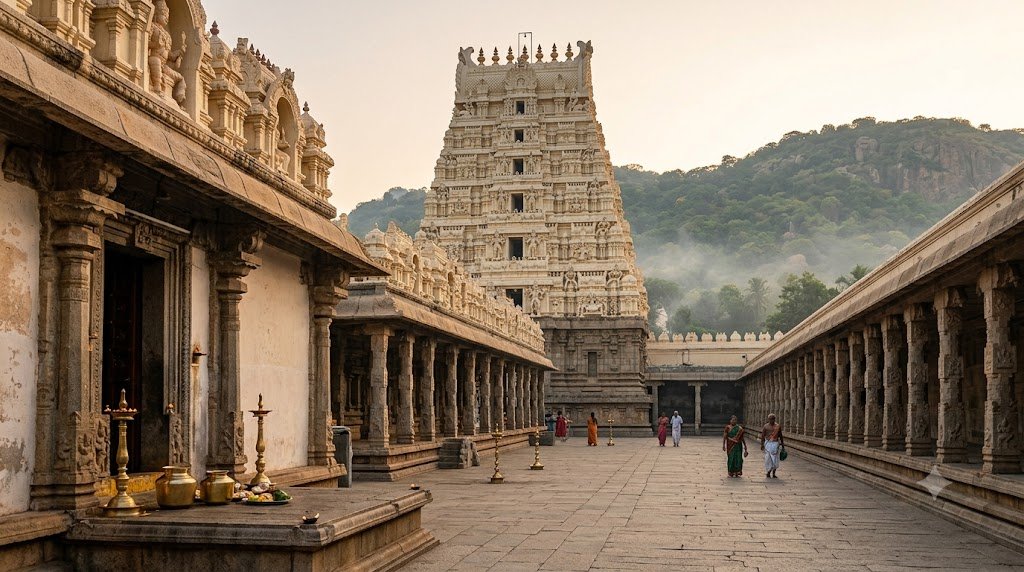
The complex spans 25 acres, and its towering Rajagopuram rises about 66 metres. The Archaeological Survey of India lists it as a national heritage monument, while the Tamil Nadu government runs daily worship. You can cross-check the temple’s basics on the Tiruvannamalai district tourism page.
Panchamoorthigal Abhishekam Timings and Cost
The Panchamoorthigal Abhishekam runs at 8:30 AM and 10:30 AM daily, and tickets are issued at the seva counter. These morning slots differ from the milk abhishekam, which the temple performs at 6:30 AM and 9:00 PM. So check the exact ritual name on your ticket before you pay. Our detailed abhishekam timings and booking guide lists every morning slot side by side.
The table below sets the ritual against the temple’s other main abhishekams, and our full seva ticket list covers the rest. Treat every figure as indicative, because the administration revises fees from time to time.
| Abhishekam / Seva | Cost (₹) | Timing |
|---|---|---|
| Arunachaleswara & Amman Milk Abhishekam | 1,000 | 6:30 AM & 9:00 PM |
| Arunachaleswara & Amman Special Abhishekam | 2,500 | 6:30 AM & 9:00 PM |
| Panchamoorthigal Abhishekam | 4,500 | 8:30 AM & 10:30 AM |
| Parivara Moorthi Sannathi Milk Abhishekam | 1,000 | 6:30, 8:30 & 10:30 AM |
| Mahanyasam with Special Pooja | 5,000 | On request |
| Thirukalyana Utsavam Special Abhishekam | 8,500 | On request |
| 1008 Sangu Pooja Special Abhishekam | 10,000 | On request |
Why this page no longer quotes rupee figures
We could not find a published seva tariff for Arunachaleswarar Temple (HR&CE temple code TM020343) anywhere on the government portal, annamalaiyar.hrce.tn.gov.in. The figures we used to print here were not sourced from HR&CE, and they contradicted the figures on our own other pages — the same seva appeared at prices that differed several times over.
The seva counter inside the temple quotes the current rate, and HR&CE revises rates from time to time. That counter is the only authority we can point you to with confidence.
The ritual sits in the mid-to-upper band of temple sevas. It covers five deities, so many pilgrims see it as better value than booking separate baths. Since the two daily slots fill fast on weekends, arrive early or book ahead.
What the Ritual Actually Involves
Priests bathe the idols with a sequence of sacred substances. First comes gingelly (sesame) oil, then milk, and then panchamrit. Panchamrit blends five nectars, namely milk, curd, ghee, honey and sugar.
Each substance carries meaning in the Saiva Agama tradition. Devotees believe the bath removes impurities and calms the mind, while the chanting invokes the deity’s grace. These outcomes are matters of faith rather than proven results, so treat them as tradition.
After the bath, priests dress the idols and wave the lamp for aarti. You then receive darshan of the freshly adorned deities, and often a little vibhuti or prasadam. Because access near the sanctum is limited, follow the priests’ instructions closely.
Devotees also treasure the oil and vibhuti gathered after the Panchamoorthigal Abhishekam. Tradition holds that these carry the deity’s blessing, so some families keep them through the year. Again, this is belief rather than medical fact, so hold it gently as faith.
How to Book the Panchamoorthigal Abhishekam
You can book the Panchamoorthigal Abhishekam at the temple counter or online through the Tamil Nadu Hindu Religious and Charitable Endowments (HR&CE) system. The counter remains the most reliable route, since online slots open only when the administration enables them. Carry a valid photo ID either way.
- Reach the temple ticket counter near the East Gopuram, ideally before 6:00 AM on busy days.
- Ask specifically for the Panchamoorthigal Abhishekam, not the general milk abhishekam.
- Pay the fee and collect your printed ticket with the slot time.
- For online booking, use only the official Arunachaleswarar Temple HR&CE portal when slots are released.
- Arrive at the assigned shrine area at least 30 minutes before your slot.
Online or Counter: Which Is Better?
Online booking suits pilgrims travelling from far, because it locks a timing in advance. However, the temple does not keep a permanent booking link, and slots appear seasonally around Pournami and Deepam. So if the portal shows nothing, do not panic.
The counter still sells same-day tickets on most regular weekdays. For the step-by-step process, see our temple online booking guide.
Panchamoorthigal Abhishekam vs Other Temple Sevas
Choosing the right seva depends on your budget, your time, and the blessing you seek. The Panchamoorthigal Abhishekam is ideal when you want all five deities honoured together. For a quieter, cheaper option, the milk abhishekam works well.
If your visit falls in the Tamil month of Aippasi, consider the Annabhishekam instead, when the main lingam is coated in cooked rice. Meanwhile, couples seeking marital harmony often choose the Thirukalyana Utsavam special ritual. Each seva serves a different intent, so pick by purpose rather than price alone.
Families frequently combine one abhishekam with a simple archana in the evening. That way you get direct ritual participation in the morning and a calmer darshan later. Because the temple performs six poojas a day, there is always a slot that fits your schedule.
Myths That Cost Pilgrims Money and Time
Several false beliefs circulate online about abhishekam at this temple. Correcting them saves you cash and stress. Here are the ones that mislead visitors most often.
The “Bribe” Myth
Some reviews claim you must pay a bribe to attend an abhishekam. That is wrong. Abhishekam participation is a ticketed seva sold at the counter, and the amount those reviews describe is the ordinary ticket price, not a bribe. Never hand cash to a middleman who promises “special access.”
The “Everything Is Online” Myth
Many pilgrims assume every seva is bookable online at any time. In reality, only limited slots open online, because participation near the sanctum is restricted. Therefore the counter stays the primary route, especially for the Panchamoorthigal Abhishekam.
The Timing Mix-Up
People often turn up at 6:30 AM expecting the five-deity ritual. Yet that early slot is the milk abhishekam. The Panchamoorthigal Abhishekam happens later, at 8:30 AM and 10:30 AM, so plan your morning around those times.
What Seasoned Pilgrims Do Differently
A little planning turns a chaotic visit into a smooth one. These tips come from how regular devotees actually navigate the temple.
- Arrive 60 to 90 minutes before your slot, since security checks and ticket lines eat time.
- Remember the temple closes roughly between 12:30 PM and 3:30 PM, so morning rituals suit day-trippers.
- Wear traditional attire, because dhoti for men and saree or salwar for women avoids friction at the shrine.
- Keep your ticket and ID together, as staff check both near the sanctum.
- Avoid touts near the gopuram entirely, and buy only from the official counter.
Best Days to Plan Around
Some days carry extra spiritual weight, though they also draw bigger crowds. Pradosham evenings, which fall twice a lunar month, are prized for Shiva worship. Mondays and Pournami (full moon) days also swell with devotees walking the 14 km Girivalam path.
The largest surge comes with Karthigai Deepam, usually in November or December, when millions gather to see the beacon lit atop Arunachala hill. If you want a calm abhishekam, avoid that window. Instead, pick a regular weekday morning for space and stillness.
Final Thoughts Before You Go
The Panchamoorthigal Abhishekam rewards the pilgrim who plans even a little. Confirm the fee and the 8:30 AM or 10:30 AM slot at the counter, book at the official counter, and reach early. Skip the touts, ignore the “bribe” rumours, and carry your ID. Do that, and you will experience one of Tiruvannamalai’s most complete morning rituals without the usual confusion.
Frequently Asked Questions
How much does the Panchamoorthigal Abhishekam cost?
The seva counter quotes the ticket price when you book. We could not find a published seva list for this temple on the HR&CE portal, so treat any figure you see quoted online — including the ones this page used to carry — as unconfirmed. The fee covers the ritual bath of all five deities.
What are the Panchamoorthigal Abhishekam timings?
The ritual runs at 8:30 AM and 10:30 AM every day. These slots differ from the milk abhishekam at 6:30 AM and 9:00 PM. Arrive at least 30 minutes early to complete checks.
Which five deities receive the abhishekam?
The five moorthis are Vinayagar, Arunachaleswarar, Unnamulai Amman, Subramaniar and Chandikeswarar. Priests bathe them in sequence during one continuous ceremony. This is why devotees value it over a single-deity bath.
Can I book the ritual online?
You can, but only when the Tamil Nadu HR&CE system releases slots, which happens selectively around festivals. The temple keeps no permanent booking link. For most regular days, the counter is the surest route.
Is there really a bribe for abhishekam access?
No. The amount some reviews call a bribe is the ordinary Special Abhishekam ticket, bought at the counter like any other seva. Buy only from the official counter, and never pay a middleman promising shortcuts.
What should I wear for the ritual?
Traditional attire is best, so men should wear a dhoti and women a saree or salwar kameez. Modest dress avoids delays at the shrine. Footwear stays outside near the gopuram.
How is this different from the Annabhishekam?
The Annabhishekam coats the main Shiva lingam in cooked rice during the Tamil month of Aippasi. The Panchamoorthigal Abhishekam instead bathes five deities with oil, milk and panchamrit. They are separate rituals with different dates and purposes.
Do I need to bring my own pooja items?
Usually not, because your Panchamoorthigal Abhishekam ticket covers the ritual materials. Still, many devotees carry a small offering of flowers or fruit. You can buy pooja items from stalls near the temple entrance if needed.
Are children allowed at the abhishekam?
Yes, children can attend, though the ritual involves standing and waiting. Parents should ensure little ones can sit quietly through the ceremony. Check any specific rules at the counter while booking.

The Tiruvannamalai Devasthanam editorial team is an independent group of writers and researchers documenting pilgrimage to the Arunachaleswarar Temple and Arunachala Hill, Tiruvannamalai. We are not affiliated with the temple or the Tamil Nadu HR\&CE Department. Every darshan timing, festival date and ritual detail we publish is cross-checked against the HR\&CE department, on-the-ground reports and at least two independent sources before it is published, and festival dates are re-verified each year. Spotted an error? Tell us and we will correct it.
